Homeowners in the Inland Empire learn quickly that dust rides the Santa Ana winds, stucco likes to grab grime, and hard water leaves its signature wherever it dries. Keeping a home’s exterior clean is part cosmetic, part preventative maintenance. Done well, it extends paint life, prevents costly repairs, and keeps runoff out of storm drains. Done poorly, it wastes water, violates local rules, and can etch glass or scar stucco. After years working alongside crews from Redlands to Rancho, I’ve seen both ends of that spectrum. The difference comes down to technique, water management, and respect for the region’s environmental rules.
Why water matters more here
Most Inland Empire cities pull from a finite mix of local groundwater, the State Water Project, and Colorado River imports. That supply tightens during dry years. Washing a house is a visible use of water, and neighbors notice. The good news is that a thoughtful approach uses less water than many imagine. The bad news is that a sloppy approach can waste hundreds of gallons and send soap straight to the curb.
A typical residential house wash, performed with modern soft washing services equipment and smart workflow, can land between 80 and 250 gallons. That range depends on square footage, number of stories, how dirty the surfaces are, and whether a contractor recovers or reuses water. Compare that to an inefficient pressure wash that blasts away at 4 gallons per minute for two hours and you can see how the numbers swing.
Pressure washing versus soft washing
The Inland Empire’s building stock is heavy on stucco, concrete tile roofs, vinyl fencing, and painted wood trim. Those surfaces respond best to low pressure, targeted chemistry, and controlled dwell time. Soft washing uses specialized pumps to apply cleaning solutions at garden-hose pressure, then rinses gently. It differs from high-pressure washing, which relies on force to lift dirt. Each has a place, but on stucco and oxidized paint, high pressure risks scar lines, water intrusion behind weep screeds, and shattered window seals.
I often hear a version of this story: “We hired a guy with a big pressure washer, the walkway looks great, but the stucco has stripes.” That pattern happens when high pressure cuts into the textured peaks. Soft wash approaches avoid that by letting detergents do the heavy lifting. When someone searches for house washing services or soft washing services, the best match is a contractor who can explain when they choose one method over the https://shaneygal060.huicopper.com/redlands-pressure-washing-local-heroes-in-home-restoration other and can point to jobs in similar neighborhoods.
Local regulations you cannot afford to ignore
The Inland Empire spans multiple counties and dozens of municipalities, each with a stormwater program shaped by the Santa Ana Regional Water Quality Control Board. The common thread: anything that reaches the gutter and storm drain is treated as potential pollution, and yes, that includes wash water with “eco-friendly” soap. Even clean water can be a problem if it carries sediment, metals, or paint flakes.
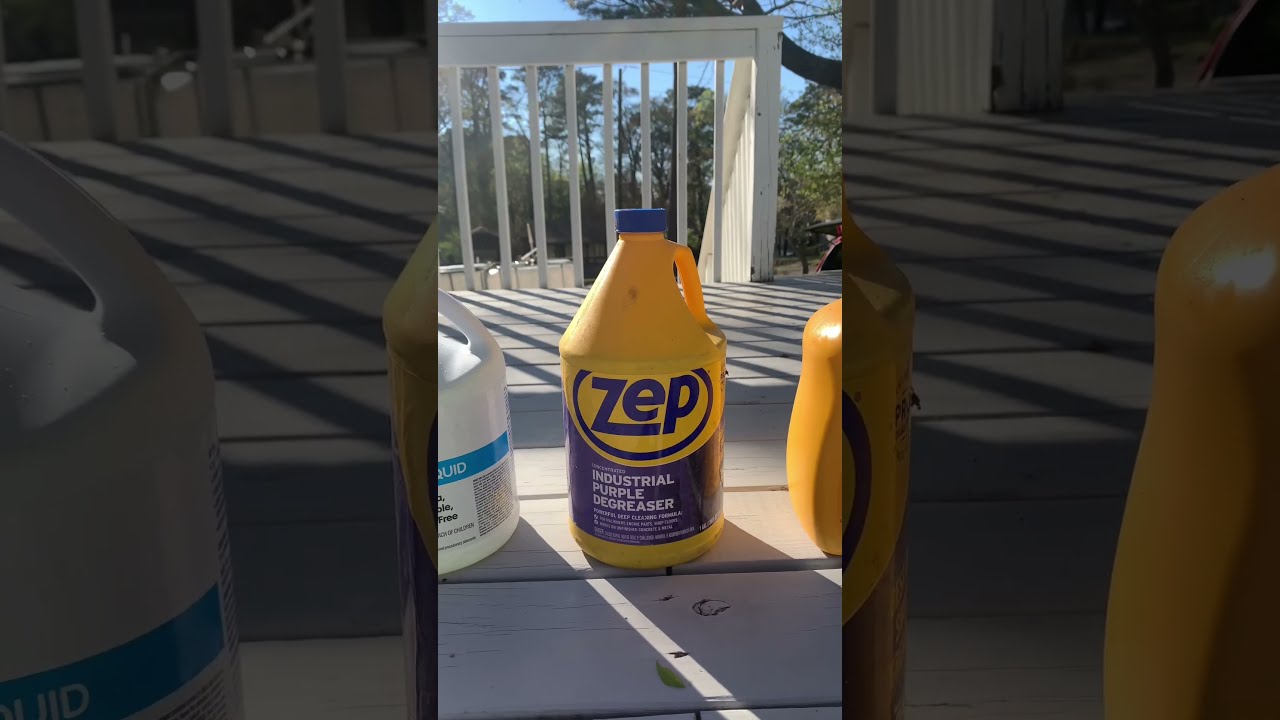
Here are the rules I see enforced most consistently across the region:

- No discharge of wash water to the street or storm drain. Crews must contain and divert to landscaping or capture for proper disposal. Use of biodegradable soaps does not exempt you from containment. Biodegradable refers to what happens over time in a treatment environment, not in a storm drain. Detergent labels must include allowable uses. Products intended for house washing should detail proper dilution and disposal. If paint flakes or lead are present, containment becomes non-negotiable. Older homes, especially pre-1978, need extra caution.
These policies exist to protect the Santa Ana River watershed and local aquifers. Enforcement varies, but fines and stop-work orders do happen. In practical terms, that means the best house washing companies in the region bring berms, drain covers, sump pumps, and either vacuum recovery mats or portable containment to redirect flow to soil or to a sanitary cleanout with permission.
Water usage by the numbers
Homeowners ask me how much water they should budget. I’ll break down typical consumption so you can visualize where the water goes.
Pre-rinse and wetting: A controlled pre-wet protects plants and preps surfaces. With a ball valve or low-flow nozzle at 2 to 3 gallons per minute, a light pre-wet on a 1,800 square-foot single-story can use 20 to 40 gallons.
Chemical application: Soft wash pumps often deliver 0.8 to 1.5 gallons per minute, and you’re not running them nonstop. Expect 10 to 30 gallons of solution for siding and eaves, depending on dwell time and mix strength. That solution is mostly water.
Rinse: The rinse takes the largest share. At 2 to 3 gallons per minute with efficient passes, 30 to 120 gallons covers most stucco homes. Two-story homes or heavy oxidation can bump that number.
Add plant protection, window detailing, and odds and ends, and you land near that 80 to 250 gallon range for a careful soft wash. With water-conscious workflow, I’ve kept 2,000 square-foot houses under 120 gallons without sacrificing results.
What containment looks like in the field
If you have not seen a compliant setup, it can seem mysterious. In practice it is simple and tidy. Crews lay foam berms or rubber wedges across the driveway edge to keep water from running into the gutter. Downspout areas and low spots get small dams. Wash water is directed toward turf or flower beds that can absorb it, as long as chemicals used are plant safe and applied at proper dilutions. When landscaping cannot receive water, a small sump pump placed in a low point sends water through a hose to an on-property cleanout or a tank for later disposal. Drain inlets get sealed with mats if they are nearby. The crew monitors flow continually, because berms shift and water finds new paths.
This approach is not overkill. It keeps your neighbors happy, your city inspector off your back, and your landscaping healthy. It also forces the crew to wash with intention, not simply flood and hope.
Chemistry that respects surfaces and landscaping
Most residential exterior cleaning relies on one of two active ingredients: sodium hypochlorite for organic staining, and surfactant blends for lifting dirt and oils. On stucco with mildew, a 0.5 to 1 percent available chlorine on the wall is often enough. That means a stronger stock solution in the tank, then diluted through the soft wash injector to land at that range. On painted siding with oxidation, lower chlorine and more surfactant reduces streaking. Rust stains and hard water mineral tracks call for different acids, typically oxalic or citric in light percentages.
I carry three mental rules for chemistry:
- Use the weakest dilution that achieves full kill and release. Stronger is not faster when it scars paint or browns leaves. Pre-wet plants, keep them wet during application, and rinse them well at the end. Water acts as a buffer and reduces leaf burn. Watch out for glass. Certain chemicals combined with heat and sun etch quickly. Shade and thorough rinse save money.
Contractors who market as inland empire house washing specialists ought to explain their mixes in plain language. If someone cannot tell you whether they plan to soft wash or pressure wash, or what dilution ranges they use, keep looking.
Drought restrictions and how they intersect with washing
Cities within the Inland Empire have cycled through drought stages with limits on outdoor watering days and times. Many water agencies carve out exceptions for home maintenance that prevents damage, especially when methods minimize water use and runoff. That said, odd-even schedules and time-of-day windows can still apply. I advise homeowners to call their water agency or check the agency’s website the week before scheduling. Staff will tell you if you need a variance, what hours are allowed, and whether reclaimed water alternatives exist in your area.
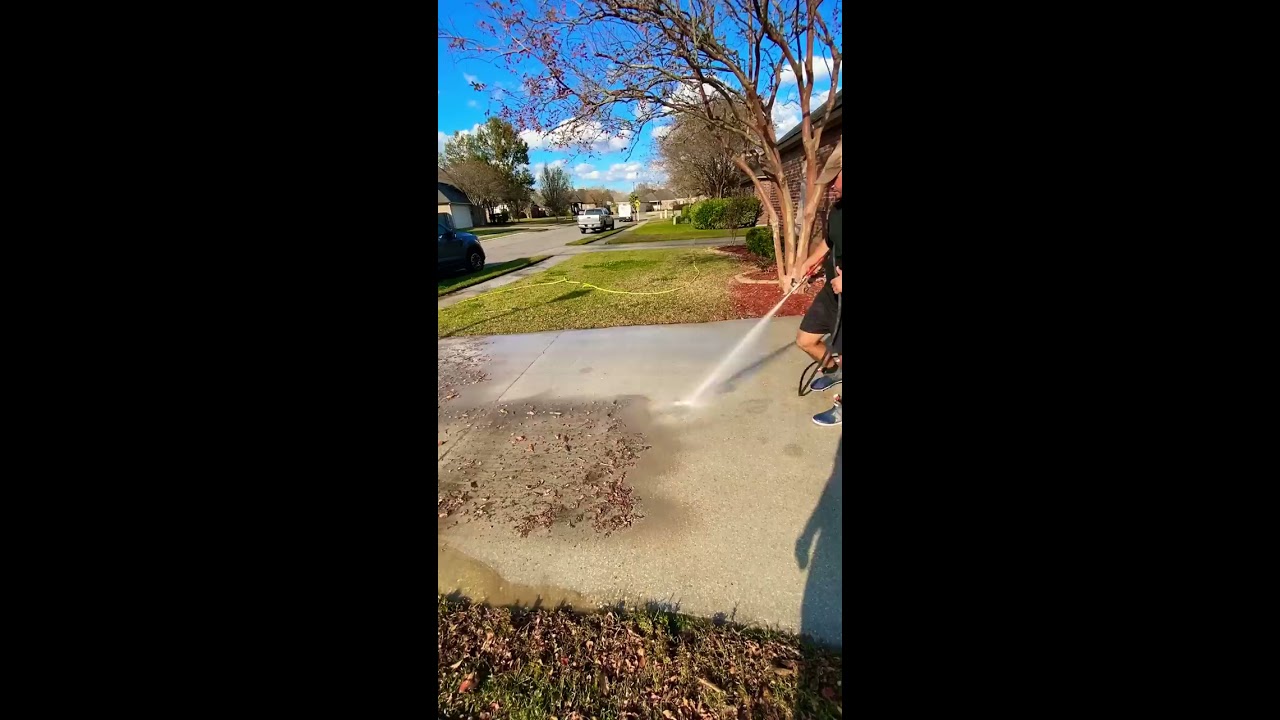
During the stricter months a few years back, we shifted most house washing to early mornings because evaporation is lower, which means less water needed to keep plants safe and shorter dwell times to avoid streaking. That habit stuck because the results were better.
Avoiding damage on common Inland Empire surfaces
Every neighborhood has its quirks. In Eastvale and Jurupa Valley, new stucco cures hard but shows hand-trowel patterns that highlight wand marks if you get heavy-handed. In older parts of Riverside and Upland, crumbly mortar and hairline stucco cracks invite water intrusion. Up in Yucaipa or Reche Canyon, iron-rich dust can leave orange smears when it meets water, so your first rinse needs a plan.
I’ve made, and fixed, these mistakes:
- Window weeps overwhelmed by pressure. Even “medium” pressure can drive water past failing seals. Soft wash and gentle rinses along upper windows prevent fogging and mineral trails between panes. Oxidation streaks on chalky paint. If your white rag turns chalky after rubbing the siding, you need more surfactant and less agitation. Let the chemistry dwell, loosen the binders, and rinse shallow to avoid tiger stripes. Efflorescence from saturated masonry. Over-wetting porous block brings salts to the surface later. Light passes, more dwell, and post-rinse neutralizers help.
The payoff from soft washing is steady: fewer callbacks, longer-lasting clean, and happier plants.
What to ask when you search for house washing near me
A good search brings a pile of options, but not all crews work the same way. When you start with house washing near me or soft washing near me, look beyond price and star ratings. Call two or three companies and ask pointed questions. You will hear the difference in how they answer.
- How do you handle wash water so it does not reach the street? The answer should include berms, redirection to landscaping, or capture and proper disposal. What pressure and chemistry do you use on stucco and painted trim? Listen for soft washing, dilution ranges, and plant protection steps. Can you provide references for homes with similar surfaces and age? Recent, local examples matter. Are you insured, and do you follow local stormwater rules? If the person hesitates, keep dialing.
The best house washing companies are comfortable explaining their process succinctly. They bring calm confidence, not bluster, and they do not push you into more aggressive methods than your home needs.
Planning the job to use less water
Water efficiency starts before the hose spigot turns. Doing the right tasks in the right order saves gallons and improves results. I’ll share the basic rhythm that has proven out on hundreds of Inland Empire houses.
- Walk the property. Note drainage, slopes, nearby storm drains, delicate plants, oxidized areas, and any active leaks or open gaps around fixtures. Stage containment. Berms and drain covers go down first, not after you see runoff. Pre-wet plants and windows, then apply chemistry from the bottom up to avoid zebra patterns and to reduce drips onto already-clean areas. Rinse top down with a fan pattern, keeping the stream shallow to the surface rather than blasting head-on. Revisit stubborn spots with dwell, not more pressure. Detail work. Hit corners, weeps, and trim where residues collect, and remove berms only once flow has fully stopped.
These steps compress wasted motion. You move once around the home with a purpose, which shows up in the water bill as well as on the finish.
Managing runoff without a vacuum trailer
Not every job calls for a trailer-mounted reclaim system. On standard homes with enough turf or planters, redirection does the job. The trick is distributing the volume evenly, not flooding one bed. On tight lots with hardscape down to the property line, you have three solid options: use portable containment mats under the main rinse area, pump to a landscaping strip along the street if your city allows it, or pump to an accessible sanitary cleanout. I prefer containment mats near the garage and a small transfer pump with a 50-foot hose because it adapts to most layouts.
A tip from many hot afternoons: keep an eye on the berms at the driveway. Tire treads and textured concrete let thin films push through. Add a second berm line if you see water creeping toward the curb. It is easier to adjust early than explain a sheen in the gutter to a neighbor with a camera.
Seasonal considerations
Spring pollen and wind-blown dust behave differently than autumn leaf tannins or summer sprinkler overspray. Timing matters. If your neighborhood’s landscapers mow and edge on Thursdays, schedule washing after, not before. If you live in a canyon with strong afternoon winds, morning starts reduce airborne dust settling on wet walls. On weeks with triple-digit heat, plan for shorter dwell times and more shade management. Chemistry flashes faster on hot stucco, which can leave faint lines. Gentle mists over plants every 15 minutes during application keep them safe without doubling water use.
Winter presents its own curveballs. Shorter sun windows and cooler water mean slower rinses. In our region, late morning starts help the surfaces warm up just enough to avoid streaking without wasting water trying to chase slow drips in the cold.
Roofs, gutters, and the line between house washing and roof cleaning
Many homeowners ask crews to “do the roof while you’re at it.” On concrete or clay tile, that request deserves caution. Foot traffic breaks brittle tiles, and high pressure shortens the roof’s life. For algae streaks, low-pressure application of a roof-appropriate solution, followed by a gentle rinse or natural weathering, is the industry practice. Gutter cleaning, meanwhile, is often a dry job first. Blow or scoop debris before introducing water, then flush downspouts only as needed. That choice alone can save 20 to 60 gallons.
If your gutters discharge onto hardscape at the driveway apron, capture and redirect flush water as you would for a full wash. Those small decisions add up to a compliant project.
How pricing reflects water and compliance
A transparent quote should show that the contractor priced in containment time and plant protection. There is no free lunch. If a bid is significantly lower, it may cut corners on compliance or dwell time, relying on pressure instead. Ask to see the equipment. A crew that invests in soft wash pumps, variable nozzles, berms, and protective covers signals a water-smart approach. That often means a better clean per gallon used, which is what you want.
From my logs, a well-organized crew needs 2 to 4 labor hours for an average single-story Inland Empire home, plus setup and breakdown. Containment adds 15 to 40 minutes, depending on the lot. Those minutes are not fluff. They prevent issues that cost far more to fix.
When DIY makes sense, and when it doesn’t
Homeowners with a good hose setup, a pump sprayer, and patience can safely freshen light mildew and dust on accessible walls. The DIY advantage is control over water use and timing. The downside is risk around windows, electrical penetrations, and chemistry mistakes. If you choose to tackle a small area yourself, keep the stream at low pressure, avoid direct spray into vents or under lap siding, and keep plants soaking wet the whole time. Use a cleaner designed for exteriors, not household bleach alone, and follow label dilutions.
The threshold for calling in pros arrives with two-story sections, oxidized paint, or surfaces near delicate landscaping. Also, if you cannot confidently keep water out of the street, hire someone equipped to do it. A citation costs more than a service call, and your neighbors will thank you.
Choosing a partner who respects the region
The Inland Empire is not a monolith, but it does share water constraints and stormwater rules. When you search for inland empire house washing, you are not just hiring a crew. You are choosing who will manage water on your property that day. The right partner understands microclimates from Ontario’s airport flats to the foothills of Rancho Cucamonga, and they adjust. They schedule around winds, watch temperatures, and tweak chemistry based on surface history.
If you keep a short list of companies for future work, note how they communicated. Did they remind you to keep pets inside and windows closed? Did they ask about sensitive plants? Did they walk the downspouts and weep screeds with you? The intangibles correlate with outcomes.
A practical homeowner checklist for a clean, compliant wash
- Confirm your water agency’s current outdoor water rules for the week of service. Ask your contractor how they will contain wash water and protect plants. Walk the property together to note windows with weak seals, hairline cracks, and areas of heavy oxidation. Request dilution ranges and method for different surfaces, and ask for plant-safe practices. Plan the wash for a calm morning and move vehicles off the driveway to allow berm placement.
The quiet benefits no one brags about
A careful wash pays dividends you do not immediately see. Stucco that stays intact and paint that retains its binders will last longer. Clean eaves let you spot new wasp nests and small leaks early. Fewer airborne spores means cleaner interior air if windows stay open in spring. And perhaps most important, the curb does not carry a rainbow sheen to the nearest storm drain. It feels good to see a bright exterior and a dry gutter.
If you keep that ethic front and center when you evaluate house washing services, you will make better choices. You will also spend less water, keep regulators satisfied, and protect the place you live. Whether you’re vetting the best house washing companies or thinking about a small DIY refresh, let the Inland Empire’s water reality guide your approach. The results, and your conscience, will be cleaner for it.
ABM Window Cleaning
6341 Pumalo Ct, Highland, CA 92346
(951) 312-1662
At ABM Window Cleaning, we don’t just soft wash homes—we brighten lives.
From homes to businesses, we bring light back into your spaces, whether through sparkling windows, clean gutters, or solar panels working at their best.
Our work is about more than clean surfaces; it’s about how you feel when you see them shine.
Every day, we’re grateful for the chance to serve, and we can’t wait to bring that brightness to you.